
Armoured cables and unarmoured cables are two types of cables that are designed for different applications. While both types of cables are used in various industries, they are fundamentally different in their overall construction and capabilities. This article from JDPT will explore the differences between armoured cables and unarmoured cables to help you understand which option is best suited for your application.

What are Armoured Cables?
Armoured cables are designed to provide an additional layer of protection against physical damage and the environment. This additional layer of protection is created through the use of an external layer of metal or plastic, which surrounds the cable core. The core of the cable can be made up of a range of different materials, including copper, aluminium, and fibre optic. Armoured cables can be used in a range of applications where protection is needed, including underground, industrial automation, mining, and more.
There are two main types of armoured cables: steel wire armoured (SWA) and steel tape armoured (STA). SWA cables are made up of steel wire wrapping that surrounds the cores of the cable. This steel wire provides excellent protection against external physical damage and electromagnetic interference. STA cables, on the other hand, are made up of steel tapes that wrap around the cores of the cable. These tapes provide a high level of flexibility, making them ideal for applications where the cables need to be bent or twisted.
What are Unarmoured Cables?
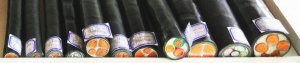
Unarmoured cables, also known as non-armoured cables, are cables that do not have an additional layer of protection surrounding the cable core. Unarmoured cables are typically used in applications where the environment is not likely to cause significant physical damage to the cable. These cables are used in a range of applications, including in the electrical power industry and telecommunications industry.
The primary benefit of unarmoured cables is cost-saving. They are generally less expensive than armoured cables because they do not require additional materials or manufacturing processes. However, unarmoured cables have limited resistance to harsh environmental conditions and are more prone to physical damage, which can lead to costly repairs and equipment downtime.
The Differences Between Armoured and Unarmoured Cables
The main difference between armoured and unarmoured cables is the level of protection that they provide. Armoured cables are much more robust and can withstand harsh environmental conditions and physical damage, making them ideal for use in applications where the cable is likely to be exposed to these risks. Unarmoured cables, on the other hand, are more suitable for use in applications where there is a low risk of physical damage or exposure to harsh environmental conditions.
Another significant difference between the two types of cables is their flexibility. Armoured cables are typically much less flexible than unarmoured cables. This is because the additional layer of metal or plastic that surrounds the cable makes them stiffer and less pliable. As a result, armoured cables are generally not suitable for applications that require a high level of flexibility, such as robotics or other automated systems.
In terms of cost, unarmoured cables are generally less expensive than armoured cables. This is because they do not require additional materials or manufacturing processes to create the additional protective layer.
In conclusion, armoured cables and unarmoured cables are two different types of cables that are designed for different applications. Armoured cables provide an additional layer of protection against physical damage and the environment, making them ideal for use in applications where the cable is likely to be exposed to these risks. Unarmoured cables, on the other hand, are more suitable for use in applications where there is a low risk of physical damage or exposure to harsh environmental conditions. When choosing between the two types of cables, consider the specific application, the level of protection required, and the overall cost.